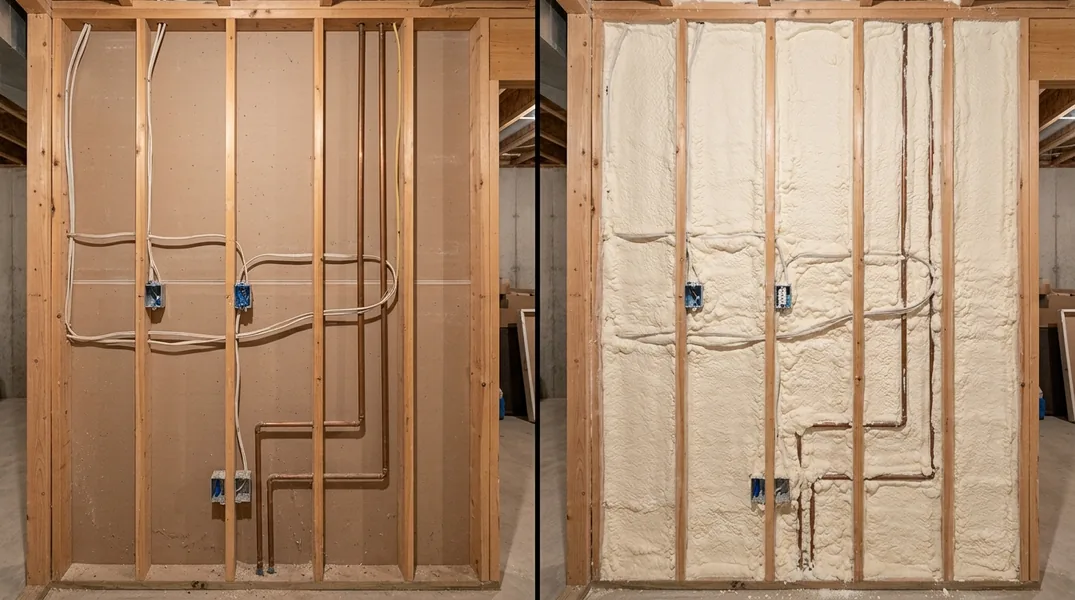
Understanding Spray Foam Insulation Types
When it comes to insulating your attic, attic spray foam insulation has become a popular choice for homeowners in Peoria and the surrounding areas. However, not all spray foam is created equal. The two primary types available are open cell and closed cell spray foam, and each offers distinct advantages and disadvantages depending on your specific situation.
Understanding the fundamental differences between these two insulation materials is crucial before making an investment in your home's energy efficiency. Open cell spray foam is lighter and more flexible, expanding significantly after application. Closed cell spray foam, by contrast, is denser and more rigid, providing a tighter seal and greater structural support. Both types create an air barrier when properly installed, but they achieve this in different ways and with different performance characteristics.
What Is Open Cell Spray Foam Insulation?
Open Cell Spray Foam Insulation is a lightweight, semi-rigid insulation material that expands significantly after being sprayed into wall cavities and attic spaces. The cells in this foam are not completely closed, which means they remain somewhat permeable to air and moisture vapor. This characteristic makes open cell foam an excellent choice for applications where breathability is important, such as in interior walls or attic spaces where some moisture management is desired.
In Peoria, where seasonal humidity fluctuations occur throughout the year, open cell spray foam can be particularly beneficial because it allows your attic to manage moisture naturally. The foam typically has an R-value between 3.5 and 3.6 per inch, making it a decent insulator while maintaining lower density and cost compared to its closed cell counterpart. Additionally, open cell foam is easier to install in tight spaces and around irregular surfaces, making it a practical solution for many residential attics.
What Is Closed Cell Spray Foam Insulation?
Closed Cell Spray Foam Insulation features cells that are completely closed and tightly packed together, creating a rigid, dense foam with superior insulating properties. This type of foam provides an R-value of approximately 6.0 to 6.5 per inch, nearly double that of open cell foam. The closed cell structure also creates an excellent air and moisture barrier, which can be critical for creating what's known as a sealed attic insulation system.
Closed cell spray foam is particularly valuable for homeowners seeking maximum energy efficiency and long-term durability. Because it's impermeable to moisture, closed cell foam prevents water vapor from entering the insulation layer, reducing the risk of mold growth and structural damage. While closed cell foam typically costs more than open cell and is heavier, its superior insulating capability and protective properties make it an excellent investment for attics in climates with significant temperature variations or moisture concerns. For many Peoria homeowners, the enhanced performance justifies the additional expense.
Comparing Performance in Peoria's Climate
The central Illinois climate that Peoria experiences features cold, snowy winters and warm, humid summers. This combination of seasonal extremes makes insulation performance a critical factor in maintaining comfort and controlling energy costs throughout the year. Open cell spray foam performs adequately in this climate, providing reasonable insulation while allowing some moisture management during humid summer months. However, if your primary concern is maximum energy efficiency and minimizing heating and cooling costs, closed cell foam may deliver superior results.
The choice between open cell and closed cell also depends on your attic's current condition and ventilation setup. If you're creating an unvented attic spray foam system, closed cell foam is generally the better choice because it can serve as both insulation and an air barrier without requiring additional ventilation. Open cell foam, while still effective, may require careful attention to vapor management in a sealed attic application. Your specific home's design, current insulation condition, and energy goals should all factor into this decision.
Cost Considerations and Long-Term Value
When evaluating spray foam options, pricing is naturally a significant concern for most homeowners. Open cell spray foam typically costs between $0.50 and $1.00 per board foot, while closed cell foam generally ranges from $1.00 to $1.50 per board foot or higher. For a typical 1,500 square foot attic, this difference can amount to several hundred dollars. However, the lower upfront cost of open cell foam shouldn't be the only factor in your decision.
Closed cell spray foam's superior insulating value means you'll recover your investment more quickly through reduced energy bills. Over a ten to fifteen year period, the energy savings from closed cell foam often exceed the initial cost difference, particularly in climates like Peoria where heating and cooling demands are significant. Additionally, closed cell foam's superior moisture barrier and structural rigidity can extend your attic's lifespan and prevent costly repairs from water damage or mold growth. To understand the true cost-benefit analysis for your specific situation, contact Peoria Spray Foam Insulation at (309) 271-6856 to discuss your options and get a personalized assessment.
Which Type Is Right for Your Peoria Home?
Selecting between open cell and closed cell spray foam ultimately depends on your priorities, budget, and home's specific needs. If you're working with a limited budget and your attic has adequate ventilation or you're not concerned about creating a completely sealed system, open cell foam can provide good insulation performance at a lower cost. It's also an excellent choice if you prefer a softer material that's easier to work with around obstacles and irregular surfaces.
Conversely, if you want maximum energy efficiency, are creating a sealed or unvented attic spray foam system, or are concerned about moisture and potential water damage, closed cell foam is the superior choice. Its higher R-value, moisture resistance, and structural benefits make it ideal for homeowners committed to long-term energy savings and home protection. Rather than making this decision alone, reach out to the professionals at Peoria Spray Foam Insulation for a free estimate. Our experienced team can evaluate your attic, discuss your goals, and recommend the best solution for your home and budget.
Looking for a professional spray foam insulation contractor in Peoria? Peoria Spray Foam Insulation responds fast for all your spray foam insulation needs.
Get a Free Quote